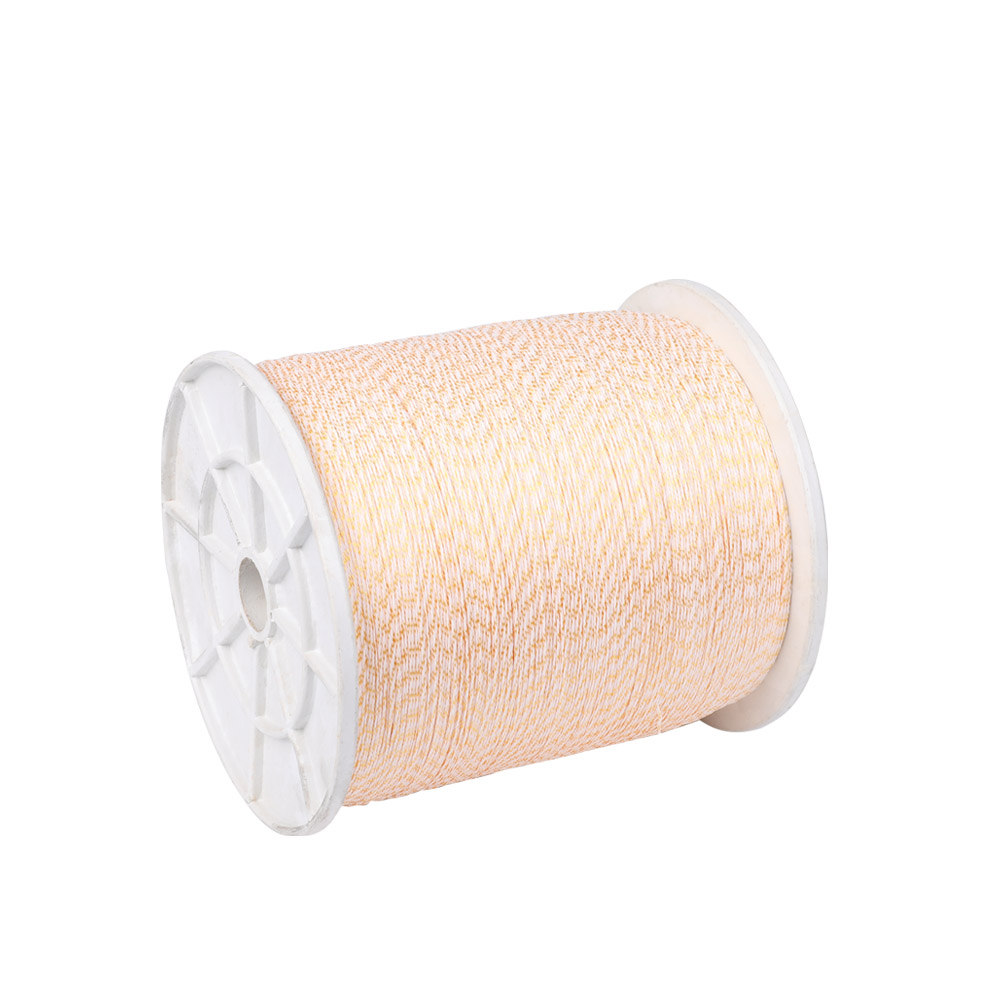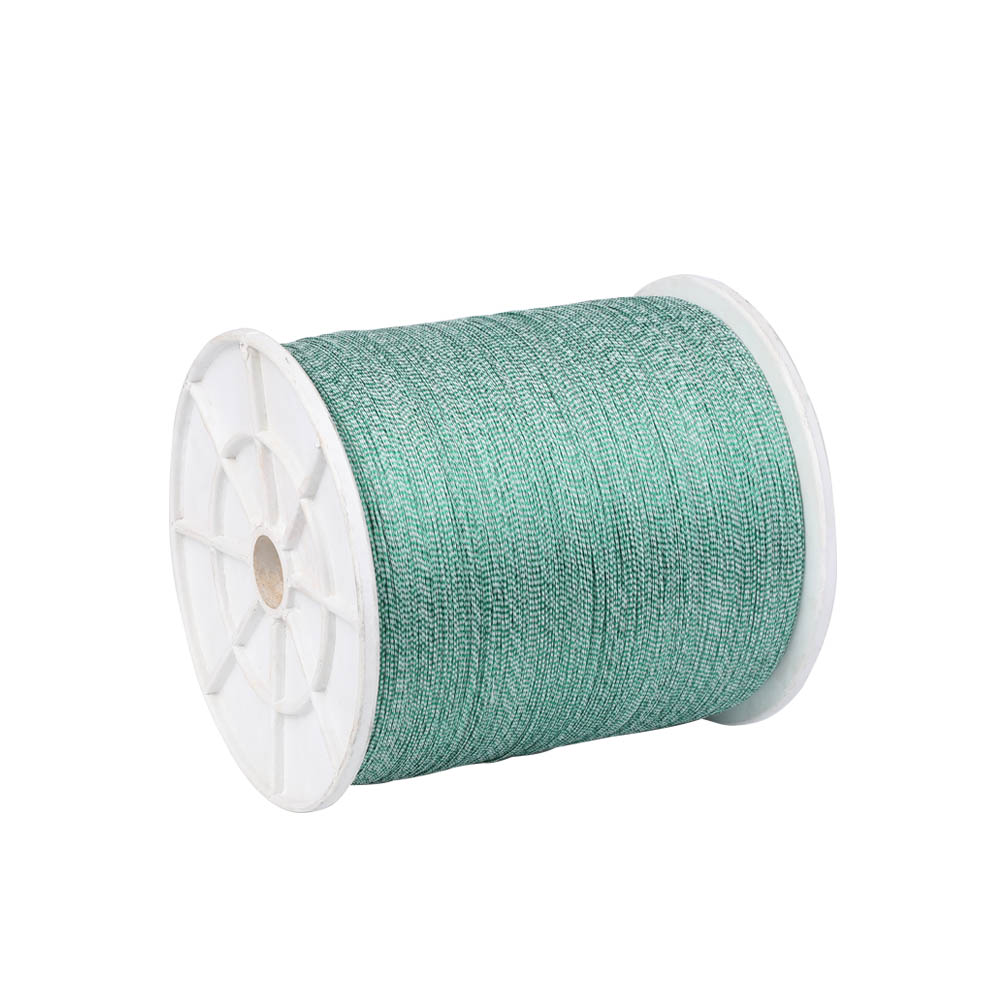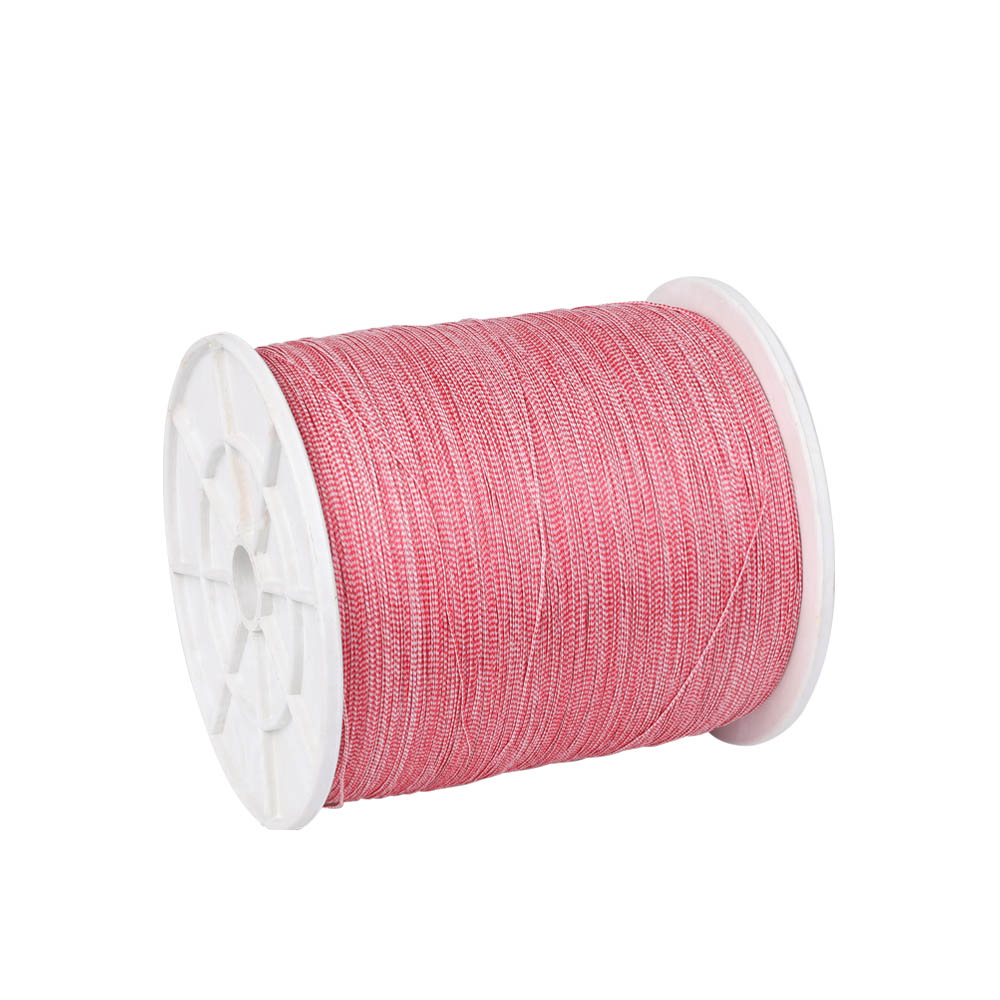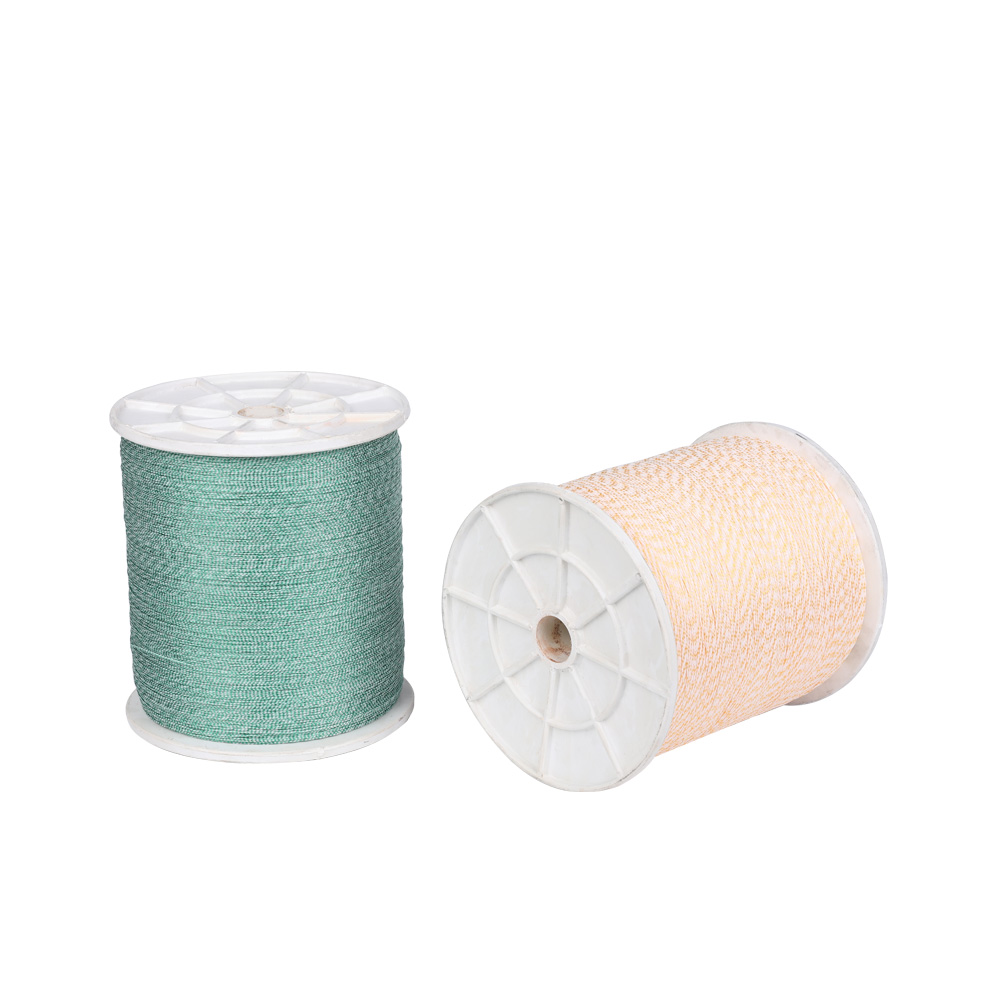
Vad är luftkonditioneringsmotorns bindtråd?
Luftkonditioneringsmotorn bindtråd är en speciell sladd som används för att knyta och säkra kopparlindningarna inuti en AC-fläktmotor eller kompressormotor. Utan den skulle spolarna vibrera lösa, kortsluta eller överhettas. Se det som "repet" som håller ihop motorns elektriska tarmar. Den är vanligtvis gjord av polyester, nylon eller glasfiber och belagd med ett värmebeständigt harts. Du kommer inte att se det om du inte river ner motorn - men när den misslyckas slutar AC:n att svalna snabbt.
Varför bindande tråd är viktigt för din AC-motor
En AC-motor går varm, vibrerar konstant och hanterar elektrisk stress. Bindningstråden håller spoländarna på plats så att de inte skaver mot varandra eller statorkärnan. Om bindningstråden går sönder eller lossnar händer två dåliga saker. För det första kan koppartrådarna kortslutas eftersom isoleringen slits av från friktion. För det andra börjar spolarna surra och överhettas, ofta bränner motorn på några minuter. Så att välja rätt bindningstråd för luftkonditioneringsmotorn är inte bara en detalj – det är ett säkerhetskrav.
Olika typer av bindtråd för AC-motorer
Alla bindsnören hanterar inte värmen och oljan inuti en motor. Här är de tre vanligaste typerna du hittar inom VVS-arbete.
Polyester (PET) bindtråd
Detta är det dagliga valet för små till medelstora AC-fläktmotorer. Polyester motstår fukt och kemikalier bättre än nylon, och den håller sig tät under vibrationer. Maximal kontinuerlig temperatur är vanligtvis 130°C till 155°C. Leta efter en tjocklek på 0,5 mm till 1,0 mm för de flesta motorer för bostäder. Nackdelen? Polyester kan bli skör efter år av värmecykling.
Nylonbindningssnöre
Nylon är starkare och mer flexibel än polyester. Den är bra för motorer som ser mycket start och stopp eftersom den absorberar stötar bra. Men nylon absorberar fukt, så det är en dålig passform för utomhus AC-kompressorer som det regnar på. Använd den i torra fläktkonvektorer inomhus. Topptemperaturen är runt 120°C – lägre än polyester.
Glasfiberkärna bindetråd
För kraftiga eller högtemperaturmotorer (som kommersiella AC-kompressorer) behöver du bindtråd av glasfiber. Den klarar upp till 200°C och kommer inte att brännas eller smälta. Glasfiberkärnan är inlindad med en polyester- eller silikonbeläggning för att skydda dina händer. Denna typ är också oljebeständig, vilket är viktigt inuti en förseglad kompressor. Det kostar mer, men det är det enda valet för allvarlig värme.
Hur man väljer rätt bindningstråd för luftkonditioneringsmotorn
Att välja fel mätare eller temperaturklassificering leder till tidigt fel. Använd denna tabell för att matcha din motortyp till rätt kabel.
| AC motor typ | Rekommenderad bindtråd | Diameter | Temp Betyg behövs |
| Liten kondensorfläktmotor (1/8 – 1/4 HP) | Polyester (PET) | 0,5 mm – 0,7 mm | 130°C |
| Inomhus fläktmotor (1/3 – 1/2 hk) | Polyester eller nylon | 0,7 mm – 1,0 mm | 130°C – 155°C |
| VVS-kompressormotor (tätad) | Kärna i glasfiber | 1,0 mm – 1,5 mm | 180°C – 200°C |
| Gammal AC-motor med sköra originalband | Polyester (högtemperaturkvalitet) | Samma som original | 155°C |
Kontrollera även brottstyrkan. För de flesta AC-fläktmotorer är en brottstyrka på 20–30 kg (45–65 lbs) lagom. Kompressormotorer behöver 50 kg. På förpackningen anges vanligtvis "draghållfasthet" i Newton eller pund.
Steg-för-steg: Byte av växelströmsmotorbindningstråd
Om du reparerar en gammal motor måste du ta bort den gamla bindningen och knyta tillbaka lindningarna. Så här gör proffsen.
Verktyg du behöver
- Ny luftkonditioneringsmotors bindtråd (samma typ och tjocklek som original)
- Sidoklippare och nåltång
- Värmepistol eller tändare (för att smälta knuten på polyestertråd)
- Eltejp eller lack (valfritt, för extra säkerhet)
Processen
- Steg 1 – Koppla ur och ladda ur – Slå av strömmen till enheten och ladda ur motorns kondensator. Säkerheten först.
- Steg 2 – Ta bort motorn – Ta ut motorn och öppna ändklockorna för att exponera lindningarna.
- Steg 3 – Klipp den gamla bindningen – Klipp av de gamla sladdarna försiktigt utan att hacka koppartrådarna. Ta bort alla lösa bitar.
- Steg 4 – Knyt den nya bindtråden – Linda den nya sladden runt spolens ändar (vanligtvis på 4 till 6 ställen jämnt fördelade). Dra åt så att spiraländarna sitter tätt men inte krossas. Knyt en fyrkantig knut, sedan en andra överhandsknut som backup.
- Steg 5 – Säkra knuten – För polyesterbindningstråd, smält snabbt knuten med en lättare låga för att låsa den. För glasfiber, använd en droppe högtemperaturlack eller silikon.
- Steg 6 – Kontrollera och sätt ihop – Dra lätt i varje slips för att bekräfta att den sitter tätt. Sätt sedan ihop motorn igen och sätt tillbaka den.
Vanliga tecken på att din motorbindning inte fungerar
Du behöver inte slita isär motorn för att misstänka dålig bindningstråd. Håll utkik efter dessa ledtrådar.
- Ovanligt surrande eller skramlande – Lösa spolar vibrerar och avger ett ljud som en lös skruv inuti motorn.
- Motorn går och stängs sedan av (termisk överbelastning) – Kortslutningsspolarna drar extra ström och löser ut det inbyggda skyddet.
- Bränd lukt utan synliga kondensatorskador – Själva bindtråden kan vara förkolning, vilket luktar annorlunda än en bränd mössa.
- AC kyler dåligt och fläkten snurrar långsamt – Om motorns inre lindningar är delvis kortslutna förlorar motorn vridmoment.
Om du märker något av dessa, stäng av systemet och ring en tekniker – eller öppna motorn om du är erfaren. Att köra en motor med lös bindning kan förstöra hela statorn.
Undvik dessa vanliga misstag
Till och med erfarna reparationsfolk krånglar med bindningstråd för luftkonditioneringsmotorer. Här är vad du bör undvika.
- Använd vanligt snöre eller dragkedja – De smälter eller sträcker sig. Använd endast märktråd för motorbindning.
- Knyter för löst – Lämnar utrymme för vibrationer. Dra tills spolarna precis börjar komprimeras och backa sedan 1 mm.
- Knyter för hårt – Krossar isoleringen på koppartrådarna, vilket orsakar en dold kortslutning som senare brister.
- Blanda olika typer av tråd på en motor – Olika termiska expansionshastigheter kan lossa vissa band efter värmecykler.
- Glömmer bort att lacka efter koppling – Många gamla motorkonstruktioner förlitar sig på en lackdopp. Om du byter ut bindtråden utan att applicera elektrisk lack igen, kan banden förskjutas. En snabb spray med lufttorr motorlack löser detta.
Var kan man köpa kvalitets AC Motor Binding Wire
Du hittar inte detta i en vanlig järnaffär. Prova dessa källor istället.
- VVS-försörjningshus – Varumärken som Mars, Supco eller Genteq säljer färdigförpackade snörsnöre. Fråga efter "motorbindningssnöre" eller "snörband".
- Motorupprullningsbutiker – De säljer små spolar av glasfiber eller polyester bindtråd till gör-det-själv. Ta med din gamla bit för matchning.
- Online-återförsäljare (Amazon, eBay, McMaster-Carr) – Sök efter "motorsnörningssnöre polyester 0,8 mm" eller "glasfiberbindtråd 1,0 mm". Kontrollera temperaturklassificeringen i listan.
- Elöverskottsbutiker – Ibland har de NOS (new old stock) bindtråd till fyndpriser. Kontrollera bara att den inte är för gammal – UV och fukt försämrar lagrad sladd.
Räkna med att betala $8 till $25 för en 100 fots spole, beroende på material. Glasfiber kostar mest, men en spole kommer att binda dussintals motorer.
Sista proffstipset: Testa din nya bindning innan full montering
När du har knutit fast den nya luftkonditioneringsmotorns bindtråd, snurra rotorn för hand. Lyssna efter eventuell gnuggning eller skrapning. Använd sedan en multimeter för att kontrollera kortslutning mellan varje lindning och motorramen. Om du ser något motstånd under 1 megaohm kan en slips ha skurit igenom isoleringen. Gör om den platsen. När allt är utcheckat har du sparat en motor som annars skulle hamna på en soptipp.